By Natallie Liz, REALTOR® | Island Welcome Real Estate
I was born and raised in Key West, and these days my office is on Summerland Key, right in the middle of the stretch I want to talk about. When people say "the Lower Keys," they usually mean the islands between Key West and the Seven Mile Bridge: Big Coppitt, Saddlebunch, Sugarloaf, Cudjoe, Summerland, Ramrod, the Torch Keys and Big Pine Key.
It is one stretch of US 1, but it is not one market. Each island has its own pace, its own kind of streets and its own questions a buyer should ask. Here is how I walk people through it.
What the Lower Keys Feel Like
The Lower Keys are quieter than Key West and more spread out. You trade sidewalks and walk-to-dinner living for canals, mangroves, wider lots and darker night skies. Most people drive to Key West for work, appointments or a night out, and the drive length depends on which island you pick.
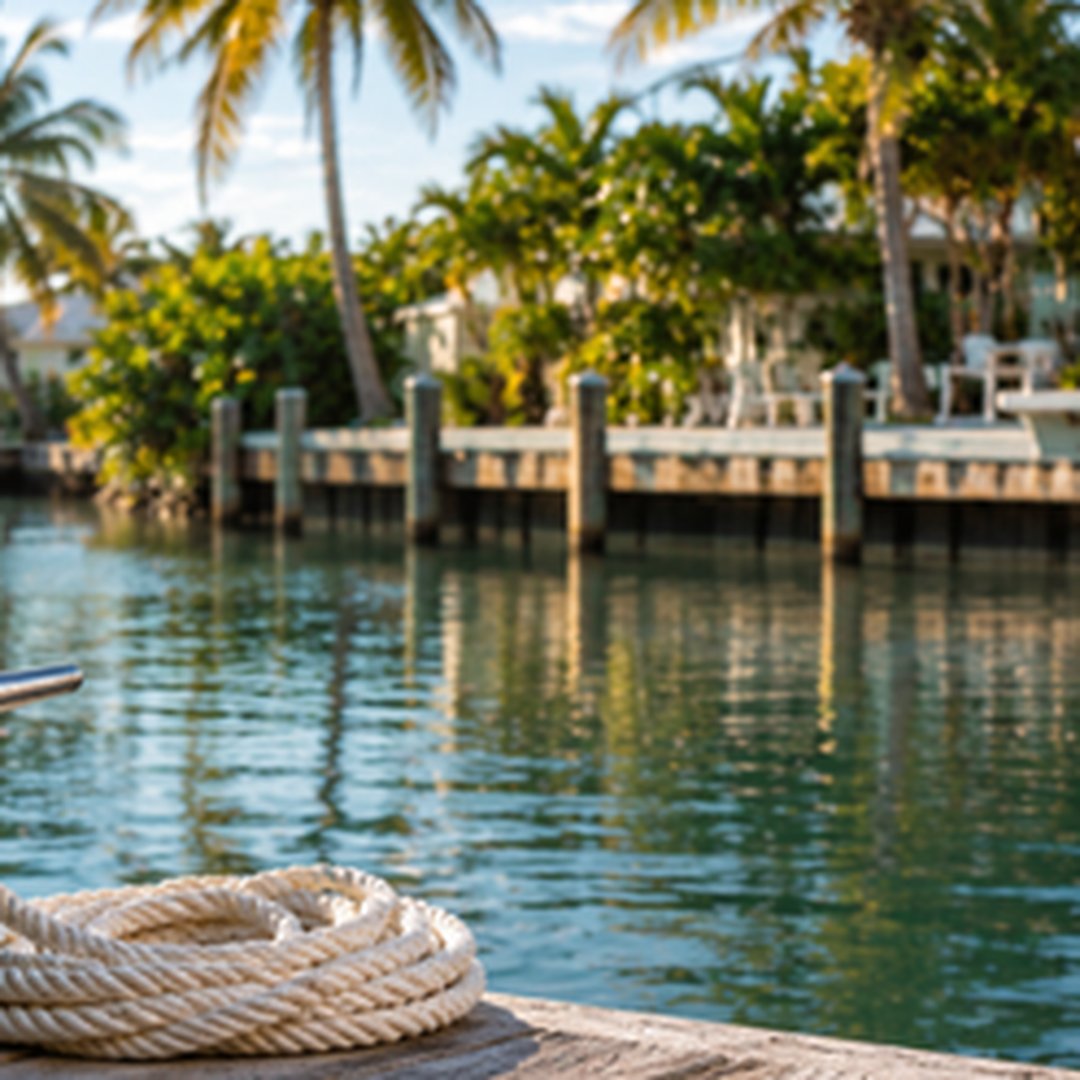
What draws people here is usually the water. Many neighborhoods sit on canals that lead out to the backcountry or the reef side, so boating is part of daily life for a lot of owners. If you love being on the water more than being in town, this stretch deserves a look.
Island by Island: A Quick Orientation
Big Coppitt, Rockland, Geiger and Shark Key
These are the closest of the Lower Keys to Key West. Buyers who commute into the city often start here. You will find a mix of older canal homes, newer elevated construction and some gated waterfront.
Saddlebunch and Sugarloaf
Sugarloaf is larger than people expect, with established canal neighborhoods on both the lower and upper parts of the island. Saddlebunch is smaller and feels tucked away. Both make sense for buyers who want water access and a reasonable drive to town.
Cudjoe and Summerland
Cudjoe Gardens is a canal community many boaters know well. Summerland has a small commercial strip along US 1 and quiet residential streets off the highway, many on canals. This is home base for me, and I think it is a good middle point: close enough to Key West for a weekly trip, far enough to feel like a different place.
Ramrod and the Torch Keys
Ramrod and the Torch Keys tend to feel even more residential and low-key. Lot sizes, canal depths and access to open water vary a lot from street to street, so these are islands where I like to look at the specific property before anyone falls in love with a listing photo.
Big Pine Key
Big Pine is the largest of the Lower Keys and has the most everyday services in this stretch, which makes it feel like a small town. It is also home to the National Key Deer Refuge. According to the U.S. Fish and Wildlife Service, the refuge was established in 1957, covers about 9,200 acres in the Lower Keys and protects the endangered Key deer along with 22 other threatened or endangered species. Living alongside the deer is part of life here, and it shapes some of the building rules you will read about below.
Practical Things to Check Before You Buy
Sewer Connection
Central sewer reached much of the Lower Keys in recent years. Monroe County's wastewater page describes the Cudjoe Regional system as covering Mile Marker 17 to Mile Marker 33, and says the plant began operating in October 2015. When you look at a home, ask whether it is connected to central sewer, and confirm with the seller, the county and the Florida Keys Aqueduct Authority. It affects your monthly costs and any future remodel.
Utilities
Electric service in the Keys is split between providers. Florida Keys Electric Cooperative describes itself as serving the Upper and Middle Keys, so Lower Keys homes are served by a different utility. Ask the seller for recent bills so you have a realistic picture of costs before closing.
Building and Permitting on Big Pine and No Name Key
This is where Big Pine and No Name Key are different from the rest of the Lower Keys. For years, building there ran under a Habitat Conservation Plan tied to the Key deer and other protected species. A June 2026 Key West Chamber of Commerce announcement reported that the U.S. Fish and Wildlife Service confirmed endangered species review on those two keys was moving from that plan to Monroe County's Permit Referral Process, with the plan's federal permit expiring June 30, 2026.
What that means for a buyer: if you are looking at vacant land or planning to build or add on, the review process has changed recently. Do not rely on how it worked a few years ago, or on what a neighbor did. Call Monroe County Planning and Environmental Resources before you write an offer, and read my ROGO and BPAS guide for the basics of building allocations in the Keys.
Flood Zones and Elevation
Much of the Lower Keys sits low, and flood zone, elevation and the age of the home all matter for insurance and for future renovations. My flood zones and elevation certificates guide explains what to ask for. Get insurance quotes early, during your inspection period, not the week before closing.
Canals and Docks
If boating is the reason you are here, check canal depth at low tide, how far the canal runs to open water, any bridges on the route and the condition of the seawall and dock. Two homes on the same island can have very different water access.
A Word on How I Help
I spent 25 years teaching in Monroe County public schools before real estate, and I still think of this work as teaching. My job is to explain what I know clearly, point you to the right offices and professionals, and help you ask good questions. I am not a lender, attorney, tax advisor or insurance agent. For anything about financing, title, taxes, insurance, flood rules or permits, please talk with those professionals and with Monroe County directly.
FAQ
What islands are considered the Lower Keys?
Most locals use the term for the islands between Key West and the Seven Mile Bridge, including Big Coppitt, Saddlebunch, Sugarloaf, Cudjoe, Summerland, Ramrod, the Torch Keys and Big Pine Key.
Is every Lower Keys home on central sewer?
Not necessarily. Ask the seller, then confirm the connection status with Monroe County and the Florida Keys Aqueduct Authority before you close.
Why is building on Big Pine Key different?
Big Pine and No Name Key have extra review tied to the Key deer and other protected species, and that process changed in 2026. Check with Monroe County Planning and Environmental Resources for current rules before you buy land or plan a project.
Let's Talk About Your Lower Keys Plans
If you are curious about a particular island, or you want to know what your current home might be worth, I am happy to help.
- What's my home worth?
- Search Florida Keys homes
- Call or text me at (305) 879-7658, or email [email protected]
Natallie Liz, REALTOR® | Island Welcome Real Estate | (305) 879-7658
Rules, programs and details can change, so please verify everything here with the appropriate county office and professionals.